The Working with Children Check application process
Find out all the details about the process of applying for a Working with Children Check.
Working with Children Check transactions online at Service Victoria
- Apply for a Check
- Check your status
- Renew your Check
- Update your details
- Get a copy of your Check - Get a digital Check
- Find your card number
- Upgrade from volunteer to employee status
- Teacher notification to WWCCV
On this page
- How to apply for a Check
- Examples of identity documents
- How long it takes to complete a Check
- Working whilst the application is being processed
- What if I get a request for more information?
- What to do with your Check before you start child-related work
- If you have a criminal record or a relevant disciplinary or regulatory finding
- If you don’t pass the Check
- WWC Exclusions
- How we protect your privacy
- Your personal information
How to apply for a Check
Working with Children transactions are available online via Service Victoria.
To apply online at Service Victoria, you will need to verify your identity with two documents:
One document from Group A, AND one document from Group B.
| GROUP A (need 1 of these) | AND | GROUP B (need 1 of these) |
|---|---|---|
| - Australian driver licence - Australian driver learner permit, or - Medicare card. | - Australian passport that has not expired for more than 3 years - Australian birth certificate that is not handwritten - Foreign passport linked to a valid Australian visa - Valid ImmiCard, or - Australian citizenship certificate. |
Examples of identity documents
Open all
- Group A (need 1 from this group)
| GROUP A (must have 1 of these) | |
|---|---|
| Australian driver licence | 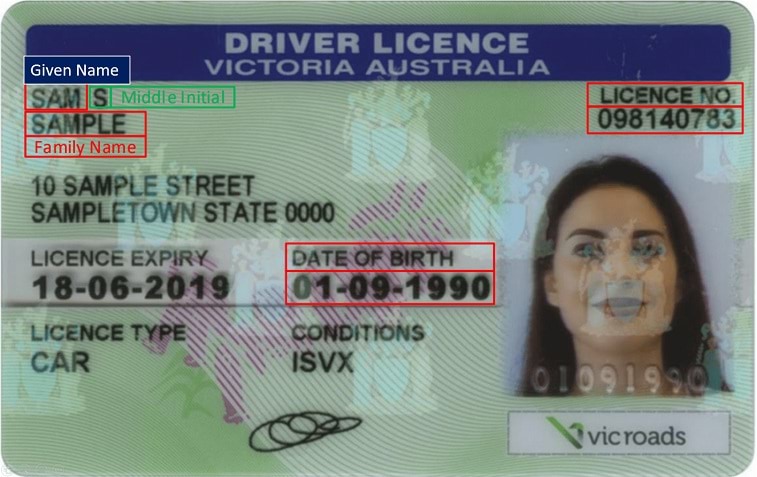 |
| Australian driver learner permit | 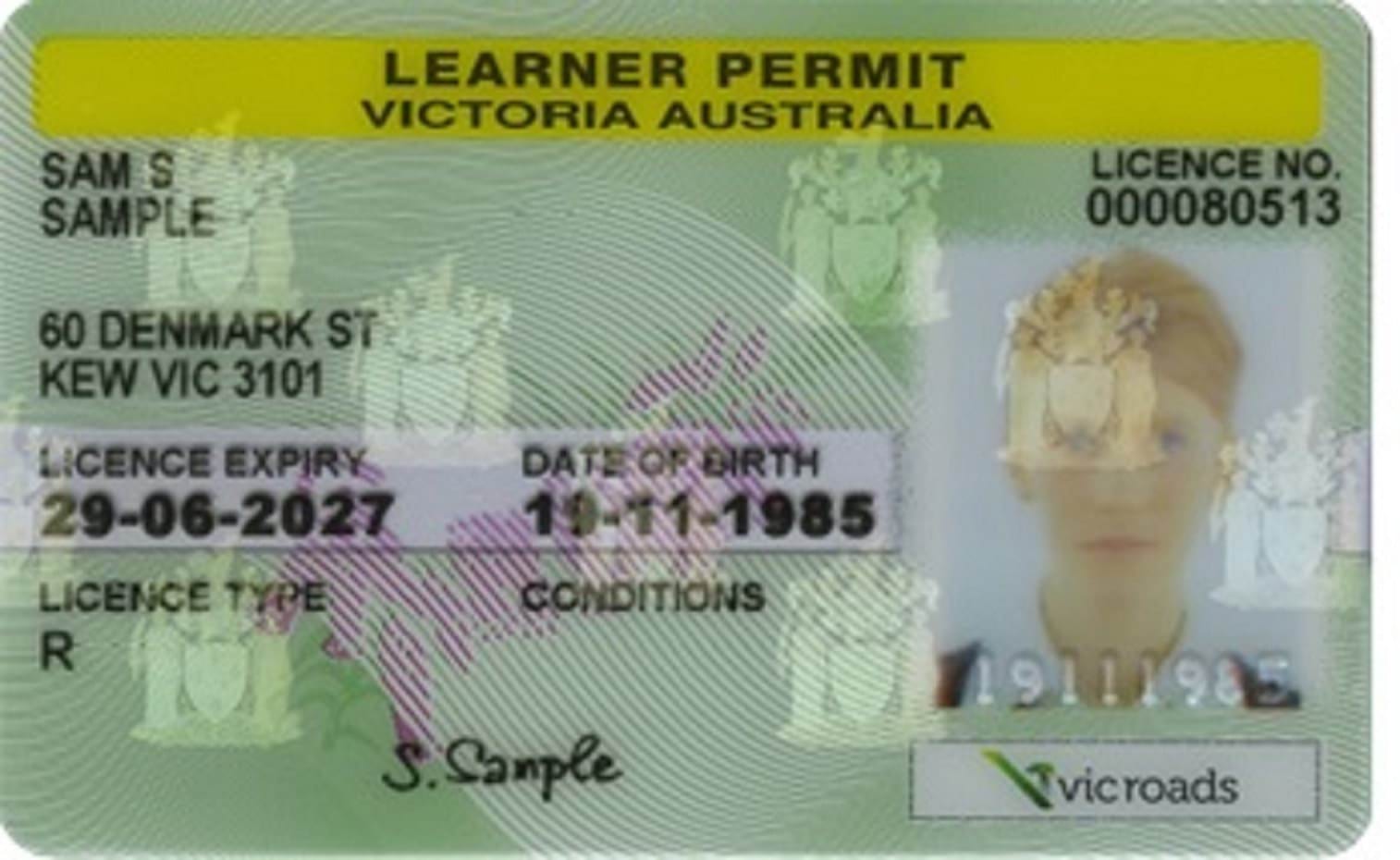 |
| Medicare card | 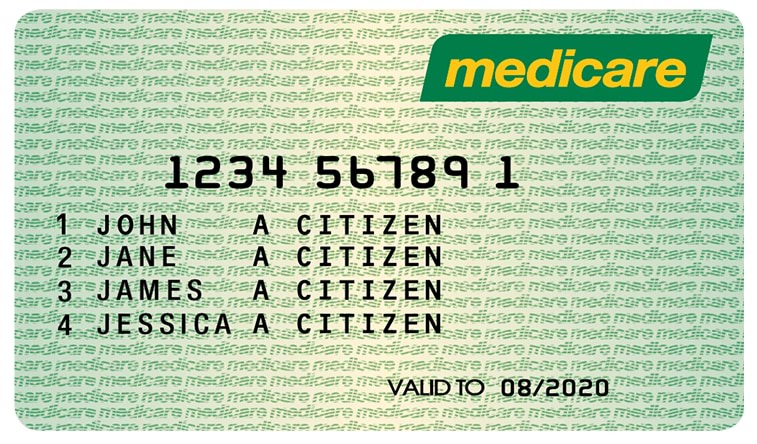 |
- Group B (need 1 from this group)
| GROUP B (must have 1 of these) | |
|---|---|
| Australian passport that has not expired for more than 3 years | |
| Australian birth certificate that is not handwritten | |
| Valid ImmiCard | |
| Australian citizenship certificate | |
| Foreign passport linked to a valid Australian visa |  |
If you do not have the two required documents to verify your identity online, you mayverify your identity in-person at Australia Post.
How long it takes to complete a Check
Generally, applications take 3-12 weeks to process. This is due to the extensive National Criminal History Check where we look for offences that may indicate a risk to the safety of children.
Applications may take less than this time if the Check comes back with no criminal history. In this instance, an applicant passes the Working with Children (WWC) Check.
If there is an offence history, we will investigate if there is a risk to the safety of children. These applications will take longer to process.
Please note that if you have a common name, the National Criminal History Check may take longer because there are more possible name matches.
Working whilst the application is being processed
The Act allows most people to do child-related work during the screening process that takes place once an application for a Check is lodged. However, by law, you must not work if you:
- have been charged with, convicted or found guilty of a sexual, violent or drug offence listed in clause 2 of Schedule 5 of the Act
- have been excluded from child-related work under a corresponding working with children law
- have been given a WWC Exclusion and not subsequently passed the Check
- will be supervising a child in employment under the Child Employment Act 2003
- will be working in a service regulated by the Children’s Services Regulations 2020 or in an education and care service under the Education and Care Services National Law 2010 (Victoria)
- are subject to:
- reporting obligations under the Sex Offenders Registration Act 2004
- a supervision order, detention order or emergency detention order.
Ask your organisation about working during the screening process, as some organisations only allow applicants to work after they have passed the Check.
What if I get a request for more information?
There are situations where we might need to get some more information from you in order to process your application, for example when:
- your application form is inaccurate or incomplete
- your photo does not meet the specified requirements
- you have failed to provide the correct proof of identity documentation
- you have previously been charged with an offence
- you have previously failed to pass the Check
- an adverse professional conduct finding has been made against you
- we consider further information is needed from the information you have provided or the information provided by other sources.
We might also seek additional information about you from other sources when assessing your application, including:
- state, territory and federal police forces
- courts, tribunals and prosecuting authorities
- authorised screening agencies
- health treating professionals
- government agencies
- professional registration or disciplinary bodies
- employers and other organisations.
If you fail to respond to our request within 28 days, or any longer period we specify in the request, your application will be withdrawn or revoked.
What to do with your Check before you start child-related work
You should show your Working with Children Check or approved application receipt email to every organisation that you will do child-related work with before you start work.
Both you and any organisations engaging you in child-related work are responsible for making sure that:
- you have applied for the Check; and
- you are legally permitted to do child-related work while your application is being processed.
If you have a criminal record or a relevant disciplinary or regulatory finding
Not all offences and relevant disciplinary or regulatory findings mean that you pose an unjustifiable risk to the safety of children in accordance with the Act. Whether you pass or fail the Check depends on:
- the type of determination or finding you have been subject to,
- the offence you have committed, and
- the circumstances surrounding these matters.
It is unlawful to apply for a Check if you:
- are a registrable offender under the Sex Offenders Registration Act 2004
- subject to a detention order, supervision order or emergency detention order.
You may wish to seek independent legal advice about your personal circumstances.
If you don’t pass the Check
If we believe you pose an unjustifiable risk to children, we will notify you that we intend to prohibit you from working with children by issuing you an Interim WWC Exclusion. This gives you the opportunity to ask us to consider the reasons why you think you should pass the Check.
If, after considering your reasons, you fail the Check, we will issue you with a WWC Exclusion prohibiting you from working with children.
In limited circumstances, you can appeal our decision by applying to the Victorian Civil and Administrative Tribunal (VCAT) within 28 days of the date on the WWC Exclusion.
You many not apply to VCAT for a review of our decision if you have at any time been charged with, convicted or found guilty of a category A offence and were an adult at the time of the offence or alleged offence.
For more information on category A offences see the List of offences.
WWC Exclusions
If you fail the Check you will be given a WWC Exclusion, which means you can’t do child-related work, effective from the date listed on the notice.
A copy of your WWC Exclusion is sent to all organisations you have listed with us, but they are not told of the reason for the WWC Exclusion. By law, you must (in writing) tell all organisations where you do child-related work about the WWC Exclusion within seven days of being given notice of the WWC Exclusion.
If you get a WWC Exclusion, you can’t apply for a Check again for five years, from the date of the notice, unless your circumstances change. If you apply after this time, by law you must not do any child-related work until you pass the Check.
If you receive a WWC Exclusion, in limited circumstances and within 28 days of the date of the notice, you may apply to the Victorian Civil and Administrative Tribunal (VCAT) to review the decision to give you the WWC Exclusion.
You may not apply to VCAT for a review of the decision if you have at any time been charged with, convicted or found guilty of a category A offence and were an adult at the time of the offence or alleged offence.
How we protect your privacy
We are bound by privacy and confidentiality laws. The Worker Screening Act 2020, Privacy and Data Protection Act 2014 and Health Records Act 2001 regulate how we collect and use personal information. We must notify your organisation/s:
- of any interim or final decision made about your application
- if your Check is suspended, revoked or surrendered or
- if you withdraw an application.
If you remove any organisation/s from your records, we have the power to notify these organisations that you have removed them. We will not provide your organisation with the details of your criminal or disciplinary or regulatory conduct records.
Your personal information
To assess your suitability to have a Check, we may release your personal information to or seek additional information from the following organisations:
- Victoria Police, Australian Federal Police and interstate police forces
- government agencies
- courts and tribunals
- healthcare professionals
- authorised screening agencies
- professional disciplinary bodies listed above.
If you would like to access the information gathered about you for the Check, visit the Office of the Victorian Information Commissioner website and they can help.
Updated 13 February 2026
Related links
Working with Children Check transactions online at Service Victoria
- Apply for a Check
- Check your status
- Renew your Check
- Update your details
- Get a copy of your Check - Get a digital Check
- Find your card number
- Upgrade from volunteer to employee status
- Teacher notification to WWCCV
About the VIC Government
- The Premier and ministers
- Find a Vic Gov department, agency or service
- Strategies and policies
- Inquiries and royal commissions
Grants and programs
Jobs and careers
Arts, culture and heritage
Business and the workplace
- Mentally Healthy Workplaces Framework
- Portable Long Service Authority
- Victoria’s racing industry
- Workforce Inspectorate Victoria
- Liquor licensing, sale and supply
Communities
- Children
- First Peoples - State Relations
- Finding records
- Gender equality & women’s leadership
- LGBTIQA+ equality
- Multicultural communities
- Seniors Online
- Veterans support and commemoration
- Volunteering in Victoria
- Youth Central
Education and training
- Victorian Early Childhood Regulatory Authority
- Early childhood education – information for professionals
- Kinder: Best Start, Best Life
- Education – information for parents
- Schools.Vic - information for schools
- Education grants, programs, awards and events
- PROTECT
- TAFE, training and universities sector
- TAFE Victoria
- Victorian Skills Authority
- Apprenticeships Victoria
- Learn Local
Environment, water and energy
Finance and economy
Health and social support
- Family violence reform
- NDIS Worker Screening Check
- NDIS and disability services and support in Victoria
- Patient Review Panel
- Transforming Trauma Victoria
Housing and property
Law and justice
- Adoption
- Births, deaths and marriages
- Honorary justices
- Machete ban
- Safeguarding Victorians against terrorism
- Stolen Generations Reparations Package
- Victims of Crime
- Victorian Racing Tribunal
Safety and emergencies
- Emergency Recovery Victoria
- Victorian Emergency Relief and Recovery Foundation
- Emergency Recovery Resource Portal
- How well do you know fire
- Fire Services Reform
- Water safety
- Marine Search and Rescue
Science and technology
- Data sharing and open data
- Data.vic - discover and access Vic Gov open data
- Developer.Vic - portal for API developers
- Go.vic URL shortener
- Vic Gov IT project dashboard
- Victoria’s free public wi-fi network
- Cyber security in the Victorian Government
Sport and recreation
Traffic and transport
- Cameras Save Lives
- Transport Fines
- Getting Around
- Transport Planning
- Transport Future
- Climate Change and transport
- Future Directions For Transport
- Transport projects
- Ports and Freight
Working in the Victorian Government
- Single Digital Presence home
- Accommodation and Library Services
- Executive employment in the Victorian public sector
- Budget, procurement and funding
- Careers in the Victorian Government
- Council and Regulator Toolkit
- Guidelines for working in government
- Join a government network
- Standards and guidelines
- VicFleet CarPool
- Victorian Government style guide