Help after a flood
Relief and recovery support for people and communities in Victoria affected by major floods.
On this page
Recovering from a flood can be a challenging and overwhelming process. After a flood, damage to homes, infrastructure and personal property is common.
At Emergency Recovery Victoria (ERV), we work with local councils and other government agencies to coordinate relief and recovery for people and communities.
This means we can connect you with services that can help you if you’ve been impacted by a flood.
We also deliver recovery programs for people impacted by a major flood.
Immediate help after a flood
Relief may be available if you have been affected by a flood.
Relief is help you may be eligible for during and directly after an emergency. It helps you meet your immediate needs, like food and a place to stay.
Information about relief is available on the VicEmergency website or call 1800 226 226.
Open all
- Financial help
After a flood happens in Victoria, financial support may be available.
You might be able to get an Emergency Relief Payment from the Victorian Government.
You may also be eligible for an Australian Government Disaster Recovery Payment.
Visit the VicEmergency website(opens in a new window) for information about what help is available.
- Finding a place to stay
If you have been told you can’t return to your home, you need to find somewhere else that is safe to stay. Contact family and friends and ask for help.
If you don’t have somewhere to go to, call your local council(opens in a new window). They can discuss what options may be available to you.
An Emergency Relief Centre may also be open near you. Locations are published on the VicEmergency website(opens in a new window).
Recovery programs
Recovery support aims to bring back quality of life and community services to how they were before a flood.
If your property was affected by the October 2022 Victorian floods, you may be eligible for recovery support.
October 2022 Victorian floods
Support for people affected by the October 2022 Victorian floods.
If you’ve been affected by a different emergency, there are general services that can provide you with help or advice.
Recovery services, wellbeing and support
Find out more about the support, advice and counselling available as you and your family recover from storms, bushfires or floods.
Resources
Translated information about Emergency Recovery Victoria (ERV)
Find out how to get help after a bushfire, flood or storm, in languages other than English.
Returning home after a flood
After a flood has passed, conditions may still be dangerous. If you have evacuated, do not return home until emergency services say it is safe to do so. Make sure the gas or electricity supply on your property has been confirmed as safe by a qualified tradesperson. When returning home, watch for hazards such as asbestos, leaked sewage and mould.
You may also experience a range of physical, mental and emotional reactions when returning home. If at any time you are worried about your mental health or the mental health of a loved one, call Lifeline on 13 11 14 or Beyond Blue on 1300 224 636.
Information and factsheets
Better Health Channel – After a flood – returning home safely
Information to consider if you are returning home after a flood.
Australian Red Cross – Returning home and coping after crisis
Practical tips to help you cope and clean up following a fire, flood or other disaster.
Building and Plumbing Commission – Storm and flood information
Advice for residents for what they can do if their property is impacted by flooding.
Agriculture Victoria – What to do after a flood
Advice for farmers who have experienced agricultural impacts from a flood, such as losses of stock and farming assets.
Insurance Council of Australia – What to do after a flood
Advice on when to contact your insurance company and how to document damage.
Rebuild and repair your home after a disaster
Whether you’re dealing with bushfire, flood, or storm damage, this page helps you understand what steps to take to rebuild and repair your home safely.
Stories of recovery
The aftermath of a flood is mentally, physically and emotionally challenging.
Read about how we have worked with individuals, local councils and community groups to support recovery and resilience after a flood.
Warning: The content on these pages discusses floods, storms, and bushfires. This may be distressing for some individuals.
Echuca’s youngest building their own recovery
When Emergency Recovery Victoria decommissioned its operational hub, local school kids from Echuca Primary School jumped at the chance to recycle whatever they could cart away as part of their Hands on Learning program.
Aboriginal Cultural Heritage assessment protects sites of significance
At a flood-damaged home in Kialla, on Yorta Yorta country, potential sites of significant Aboriginal cultural heritage are being protected.
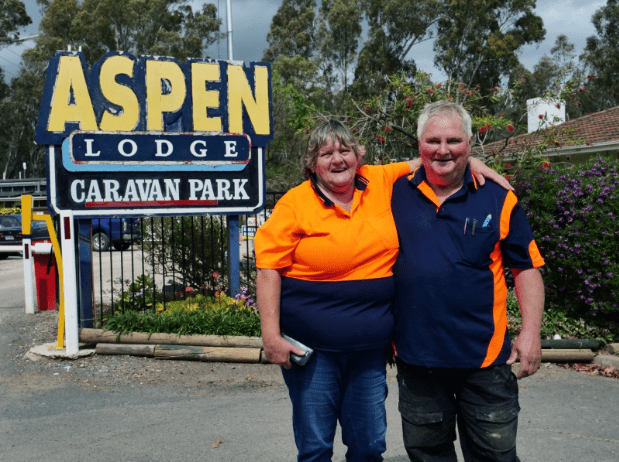
Aspen Lodge Caravan Park
A case study about how Emergency Recovery Victoria’s Clean-up Program worked with the park owners to help rebuild the park following the October 2022 Victorian floods.
Recovery progress
Find out about recovery progress and actions after previous floods.
Updated 16 September 2025
About the VIC Government
- The Premier and ministers
- Find a Vic Gov department, agency or service
- Strategies and policies
- Inquiries and royal commissions
Grants and programs
Jobs and careers
Arts, culture and heritage
Business and the workplace
- Mentally Healthy Workplaces Framework
- Portable Long Service Authority
- Victoria’s racing industry
- Workforce Inspectorate Victoria
- Liquor licensing, sale and supply
Communities
- Children
- First Peoples - State Relations
- Finding records
- Gender equality & women’s leadership
- LGBTIQA+ equality
- Multicultural communities
- Seniors Online
- Veterans support and commemoration
- Volunteering in Victoria
- Youth Central
Education and training
- Victorian Early Childhood Regulatory Authority
- Early childhood education – information for professionals
- Kinder: Best Start, Best Life
- Education – information for parents
- Schools.Vic - information for schools
- Education grants, programs, awards and events
- PROTECT
- TAFE, training and universities sector
- TAFE Victoria
- Victorian Skills Authority
- Apprenticeships Victoria
- Learn Local
Environment, water and energy
Finance and economy
Health and social support
- Family violence reform
- NDIS Worker Screening Check
- NDIS and disability services and support in Victoria
- Patient Review Panel
- Transforming Trauma Victoria
Housing and property
Law and justice
- Adoption
- Births, deaths and marriages
- Honorary justices
- Machete ban
- Safeguarding Victorians against terrorism
- Stolen Generations Reparations Package
- Victims of Crime
- Victorian Racing Tribunal
Safety and emergencies
- Emergency Recovery Victoria
- Victorian Emergency Relief and Recovery Foundation
- Emergency Recovery Resource Portal
- How well do you know fire
- Fire Services Reform
- Water safety
- Marine Search and Rescue
Science and technology
- Data sharing and open data
- Data.vic - discover and access Vic Gov open data
- Developer.Vic - portal for API developers
- Go.vic URL shortener
- Vic Gov IT project dashboard
- Victoria’s free public wi-fi network
- Cyber security in the Victorian Government
Sport and recreation
Traffic and transport
- Cameras Save Lives
- Transport Fines
- Getting Around
- Transport Planning
- Transport Future
- Climate Change and transport
- Future Directions For Transport
- Transport projects
- Ports and Freight
Working in the Victorian Government
- Single Digital Presence home
- Accommodation and Library Services
- Executive employment in the Victorian public sector
- Budget, procurement and funding
- Careers in the Victorian Government
- Council and Regulator Toolkit
- Guidelines for working in government
- Join a government network
- Standards and guidelines
- VicFleet CarPool
- Victorian Government style guide