Quick guide for parents
Give your child the best start with kinder. Simple steps to find, enrol, and understand Free Kinder, Pre-Prep, and programs in Victoria.
On this page
- How kinder works
- When to start
- Pre-Prep Calculator
- How to choose a kinder
- Three-Year-Old Kindergarten program hours
- Free Kinder
- Benefits of kinder
- See what kinder is like
- The best start for every Victorian child
Find information about kinder in your preferred language.
How kinder works
https://player.vimeo.com/video/1159442185?autoplay=0
Kindergarten programs in Victoria
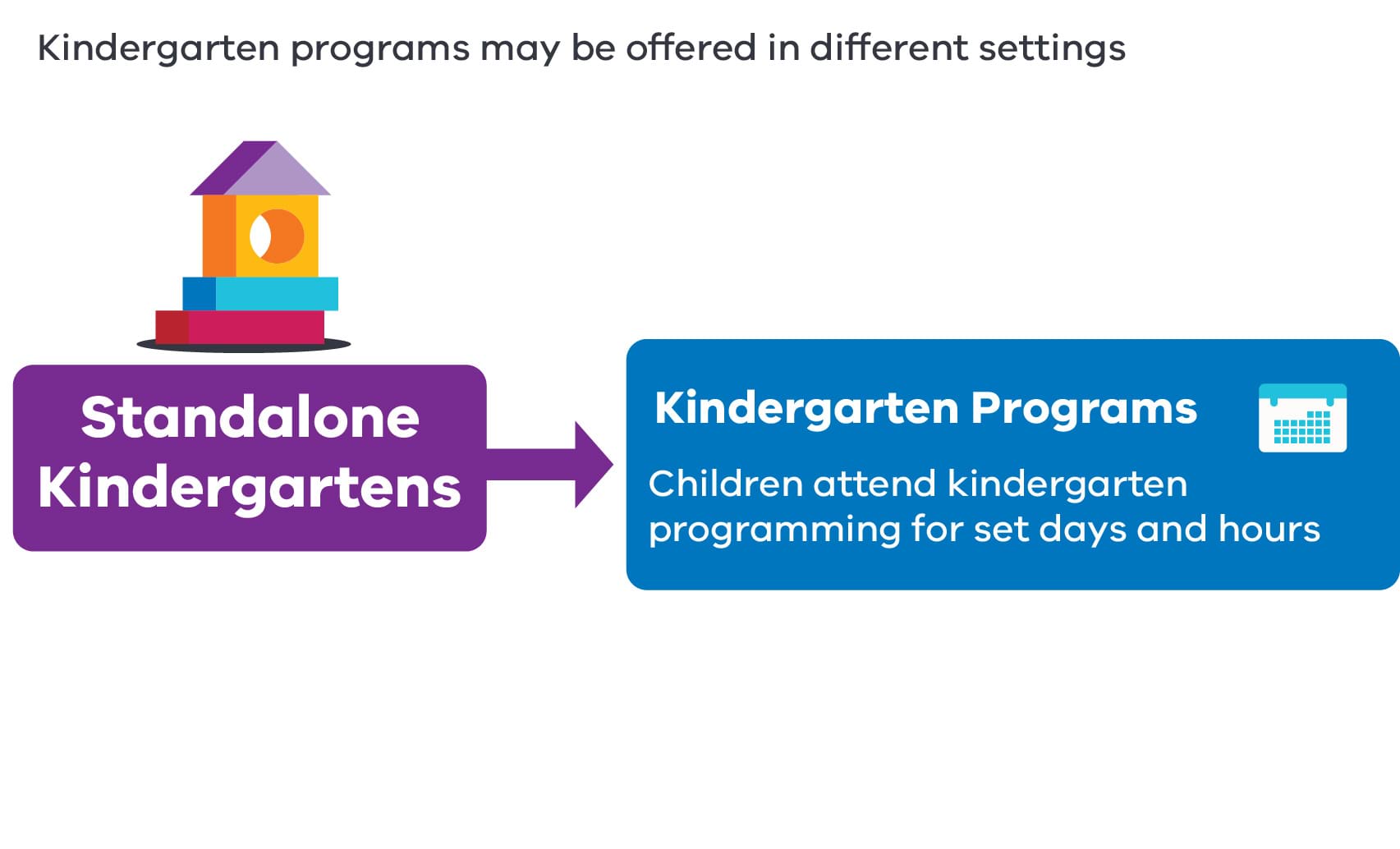
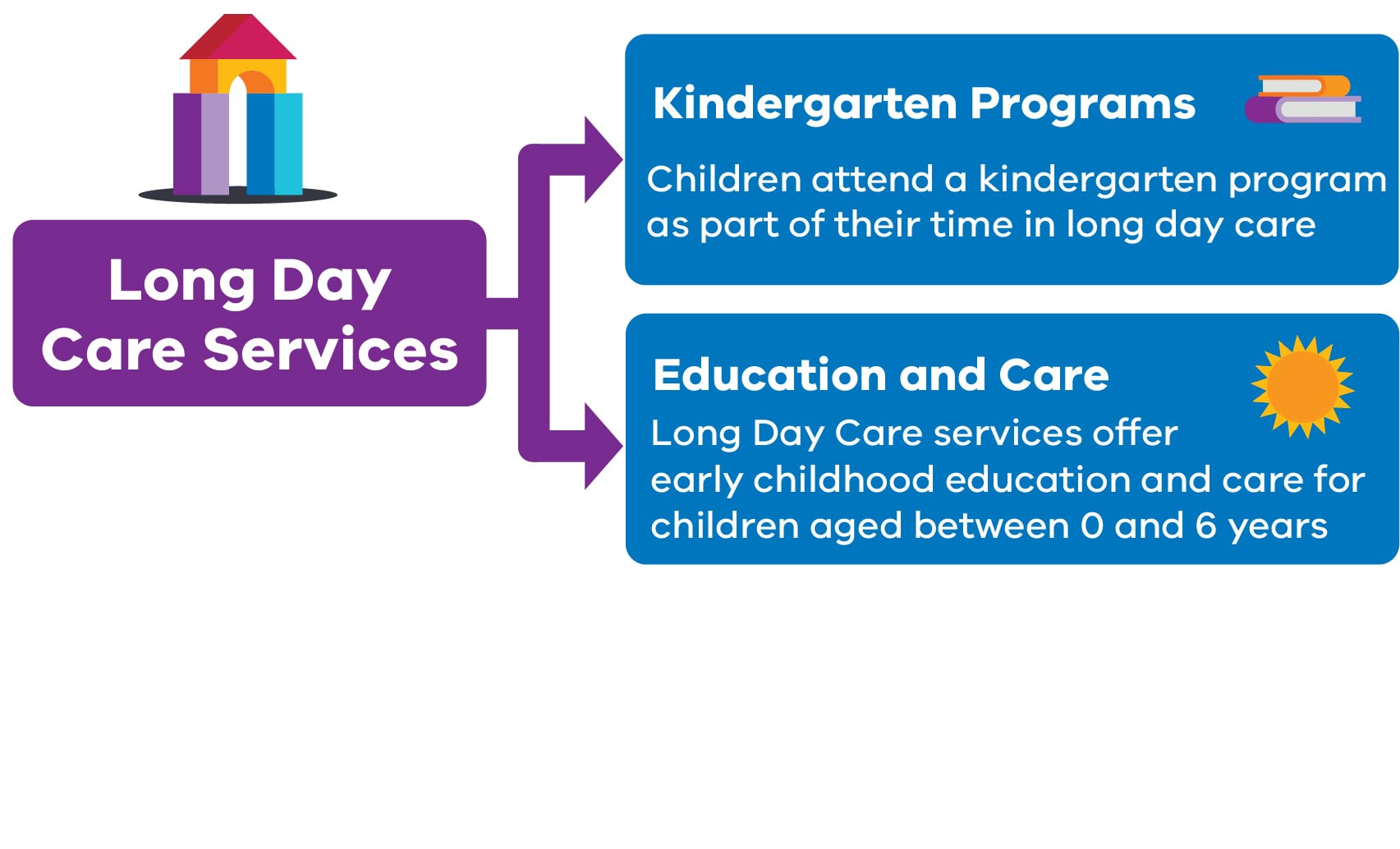
Your child can go to kinder at the age of 3 or 4, and it’s available in various settings:
- Standalone services: These run Kinder programs on specific days and at set times, determined by the kinder service.
- Long day care services: These provide a full day of education and care, complete with a kinder program. The teacher-led kinder program is seamlessly integrated with additional hours of education and care.
No matter where your child goes to kinder, qualified teachers and educators will lead the program.
When to start
Use the starting age calculator to enter your child’s birth date to find out what year they can start Three- and Four-Year-Old Kindergarten.
Date of birth(Required)
Day
Month
Year
Calculate
Open all
- Choosing a start date
Families with children born between January and April can choose which year to start Three-Year-Old Kindergarten. These children can start in the same year they turn 3, or in the year they turn 4 years of age.
Due to staffing requirements, some services may ask that children start attending kinder only after their third birthday. This may mean that some children may not start attending their kinder program until part-way into Term 1.
When your child starts at kindergarten directly relates to the age they will start at primary school. When enrolling at Three-Year-Old Kindergarten, we encourage families to consider the age they would like their child to start at school.
Speak to your local services about the best time for your child to start at Three-Year-Old Kindergarten.
- What you need to know
There are a few things you need to know when making this decision:
- Kinder services are required to have a different ratio of staff to children, this will vary depending on the children’s ages.
- Some services might not have the number of staff needed to accommodate 2-year-olds. For these services, your child must have turned 3 before they can attend.
- If your child turns 3 by 30 April and you would like them to start kinder that year, you can still enrol your child. Services will hold your child’s place until they are old enough to attend. If you have any questions, contact your local kinder service.
Services can contact 3yo.kindergarten@education.vic.gov.au for more information.
Pre-Prep Calculator
Use the Pre-Prep calculator to find out if your child is eligible to attend Pre-Prep and when they can start.
Before you start, you need to know your local council.
What is the child’s birth year?(Required)
2020
2021
2022
2023
2024
2025
Important email
How to choose a kinder
Choosing a kinder that is right for your family is important. Learn tips and information about How to choose a kindergarten.
Three-Year-Old Kindergarten program hours
Three-Year-Old Kinder programs are for between 5 and 15 hours. Different hours available for Three-Year-Old programs gives you more choice in session times.
Some services have shorter session times, which might suit families with older children at school. Longer hours may work better for other families.
Free Kinder
Free Kinder is available in Three- and Four-Year-Old Kindergarten programs across Victoria at participating services. This includes both standalone and long day care services.
Families with children enrolled in a participating standalone kinder receive a free program.
Families with children enrolled in a participating long day care receive a fee offset. If your child is enrolled in a Three-Year-Old Kinder program of less than 15 hours, you will receive a pro-rata fee offset amount directly from the Victorian Government so you are not out of pocket.
Find out more about Free Kinder.
Benefits of kinder
Let your child learn through play! Studies show that play-based learning is a great way for kids to grow and develop. The benefits of this approach last through their whole life and include:
- educational
- social
- emotional benefits.
Learn more about the benefits of kinder at Benefits of kinder.
Find a kinder program
This interactive map helps you find kinder programs that have been approved by the Victorian Government in locations near you.
Look for the Kinder Tick
The Victorian Government is making it easier to find funded and approved kindergarten programs. For kinder you can count on, look for the Kinder Tick.
See what kinder is like
Experience a day in kinder, where learning through play makes every day a new adventure.
https://www.youtube.com/embed/X-VUErkm2wM?autoplay=0&start=0&rel=0
The best start for every Victorian child
The Victorian Government’s $14 billion Best Start, Best Life reforms are the most significant change to Victoria’s early childhood sector in a generation.
This means:
- Free Kinder: All 3- and 4-year-old children in Victoria can access Free Kinder. This is available at both standalone (sessional) kindergartens and long day care (childcare) centres.
- Three-Year-Old Kindergarten: The roll-out of Three-Year-Old Kindergarten continues, with programs increasing to 15 hours a week across the state by 2029, providing Victorian children with 2 years of a quality kindergarten program before school.
- Pre-Prep: Four-Year-Old Kindergarten is becoming Pre-Prep from 2025. This will increase to a 30-hour-a-week program of teacher-led play by 2036.

The Best Start, Best Life reforms
Learn more about the changes to early childhood education in Victoria, including Free Kinder, Pre-Prep, Three-Year-Old Kindergarten.
Updated 27 March 2026
About the VIC Government
- The Premier and ministers
- Find a Vic Gov department, agency or service
- Strategies and policies
- Inquiries and royal commissions
Grants and programs
Jobs and careers
Arts, culture and heritage
Business and the workplace
- Mentally Healthy Workplaces Framework
- Portable Long Service Authority
- Victoria’s racing industry
- Workforce Inspectorate Victoria
- Liquor licensing, sale and supply
Communities
- Children
- First Peoples - State Relations
- Finding records
- Gender equality & women’s leadership
- LGBTIQA+ equality
- Multicultural communities
- Seniors Online
- Veterans support and commemoration
- Volunteering in Victoria
- Youth Central
Education and training
- Victorian Early Childhood Regulatory Authority
- Early childhood education – information for professionals
- Kinder: Best Start, Best Life
- Education – information for parents
- Schools.Vic - information for schools
- Education grants, programs, awards and events
- PROTECT
- TAFE, training and universities sector
- TAFE Victoria
- Victorian Skills Authority
- Apprenticeships Victoria
- Learn Local
Environment, water and energy
Finance and economy
Health and social support
- Family violence reform
- NDIS Worker Screening Check
- NDIS and disability services and support in Victoria
- Patient Review Panel
- Transforming Trauma Victoria
Housing and property
Law and justice
- Adoption
- Births, deaths and marriages
- Honorary justices
- Machete ban
- Safeguarding Victorians against terrorism
- Stolen Generations Reparations Package
- Victims of Crime
- Victorian Racing Tribunal
Safety and emergencies
- Emergency Recovery Victoria
- Victorian Emergency Relief and Recovery Foundation
- Emergency Recovery Resource Portal
- How well do you know fire
- Fire Services Reform
- Water safety
- Marine Search and Rescue
Science and technology
- Data sharing and open data
- Data.vic - discover and access Vic Gov open data
- Developer.Vic - portal for API developers
- Go.vic URL shortener
- Vic Gov IT project dashboard
- Victoria’s free public wi-fi network
- Cyber security in the Victorian Government
Sport and recreation
Traffic and transport
- Cameras Save Lives
- Transport Fines
- Getting Around
- Transport Planning
- Transport Future
- Climate Change and transport
- Future Directions For Transport
- Transport projects
- Ports and Freight
Working in the Victorian Government
- Single Digital Presence home
- Accommodation and Library Services
- Executive employment in the Victorian public sector
- Budget, procurement and funding
- Careers in the Victorian Government
- Council and Regulator Toolkit
- Guidelines for working in government
- Join a government network
- Standards and guidelines
- VicFleet CarPool
- Victorian Government style guide