Disability inclusion research in kindergartens project
View key findings from the first phase of the 2-year research project.
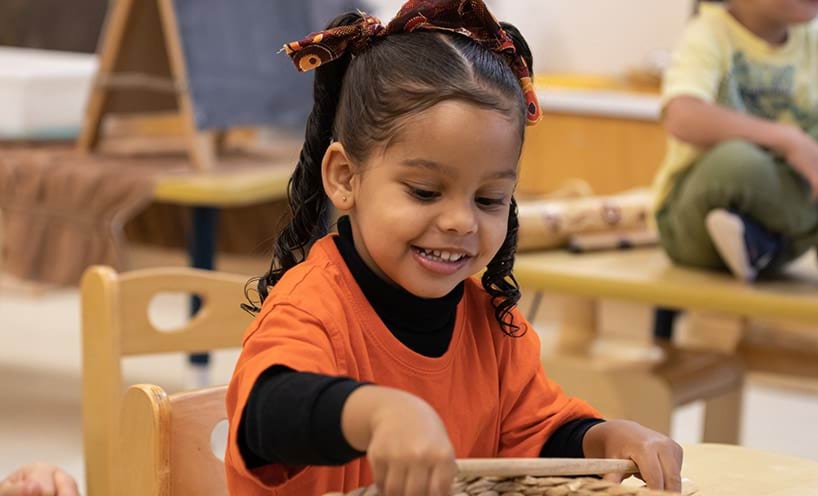
In the August 2024 edition of Early Childhood Update, we introduced the Disability Inclusion Research in Kindergartens project, a 2-year initiative exploring ways to better support children with complex medical needs, disabilities or developmental delays in kindergarten settings.
This research began in 2024 to investigate contemporary approaches to inclusion. Now with the research entering its final year, we’d like to take this opportunity to share the progress made throughout 2024 and key findings from this phase of the project.
What we did
The 2024 research involved:
- conducting the Disability Inclusion Needs survey to better understand the number of children with additional needs and level of support needed across Victorian funded kindergarten programs
- developing and testing a new Kindergarten Inclusion Support Profile (KIS Profile) to help identify strengths, support needs, and required modifications for children with additional needs
- designing options for new systems and supports to help educators, teachers, services and the system provide inclusive education for children with additional needs.
We worked with key stakeholders to develop the KIS Profile, and incorporated research and literature on inclusive education to further refine its design. Read further below for ‘where to next’ in this project.
What we learned
In 2024, key research initiatives looked at enhancing inclusive practices in early childhood education.
We learned a lot more about Victorian children with additional needs in kindergartens. The Disability Inclusion Needs survey was an early step in learning about the range of needs across the early childhood education sector. This helped inform where to focus our improvements.
We were able to develop a new way of considering how to support children that uses strengths-based language and considers the functional needs of children to participate and benefit from engagement. This new tool, the KIS Profile, was tested with more than 100 children across Victoria.
We were also able to consider how to respond to identified needs. We considered a range of options that layer support to equip educators, services and the system with practical strategies for inclusive learning.
Where to next
Research activities in 2025 will build on what we learned in 2024 and include:
- refining and testing an updated KIS Profile with about 200 children and 150 services, please keep an eye out for the opportunity to express your interest in being part of this in Term 2, 2025
- developing and testing options recommended for inclusive education practice supports and guidance to improve the inclusion of children with additional needs
- collecting more data on the level and type of support needs for children with additional needs in funded kindergarten programs.
By working together on this research project, we can create a more inclusive and supportive kindergarten system for all Victorian children.
Find out more
For more information, refer to the Disability Inclusion in Kindergartens research project fact sheet.
For further enquiries, contact the Inclusion Policy and Reform team by email: EC.Inclusion.Research@education.vic.gov.au
Updated 26 March 2026
About the VIC Government
- The Premier and ministers
- Find a Vic Gov department, agency or service
- Strategies and policies
- Inquiries and royal commissions
Grants and programs
Jobs and careers
Arts, culture and heritage
Business and the workplace
- Mentally Healthy Workplaces Framework
- Portable Long Service Authority
- Victoria’s racing industry
- Workforce Inspectorate Victoria
- Liquor licensing, sale and supply
Communities
- Children
- First Peoples - State Relations
- Finding records
- Gender equality & women’s leadership
- LGBTIQA+ equality
- Multicultural communities
- Seniors Online
- Veterans support and commemoration
- Volunteering in Victoria
- Youth Central
Education and training
- Victorian Early Childhood Regulatory Authority
- Early childhood education – information for professionals
- Kinder: Best Start, Best Life
- Education – information for parents
- Schools.Vic - information for schools
- Education grants, programs, awards and events
- PROTECT
- TAFE, training and universities sector
- TAFE Victoria
- Victorian Skills Authority
- Apprenticeships Victoria
- Learn Local
Environment, water and energy
Finance and economy
Health and social support
- Family violence reform
- NDIS Worker Screening Check
- NDIS and disability services and support in Victoria
- Patient Review Panel
- Transforming Trauma Victoria
Housing and property
Law and justice
- Adoption
- Births, deaths and marriages
- Honorary justices
- Machete ban
- Safeguarding Victorians against terrorism
- Stolen Generations Reparations Package
- Victims of Crime
- Victorian Racing Tribunal
Safety and emergencies
- Emergency Recovery Victoria
- Victorian Emergency Relief and Recovery Foundation
- Emergency Recovery Resource Portal
- How well do you know fire
- Fire Services Reform
- Water safety
- Marine Search and Rescue
Science and technology
- Data sharing and open data
- Data.vic - discover and access Vic Gov open data
- Developer.Vic - portal for API developers
- Go.vic URL shortener
- Vic Gov IT project dashboard
- Victoria’s free public wi-fi network
- Cyber security in the Victorian Government
Sport and recreation
Traffic and transport
- Cameras Save Lives
- Transport Fines
- Getting Around
- Transport Planning
- Transport Future
- Climate Change and transport
- Future Directions For Transport
- Transport projects
- Ports and Freight
Working in the Victorian Government
- Single Digital Presence home
- Accommodation and Library Services
- Executive employment in the Victorian public sector
- Budget, procurement and funding
- Careers in the Victorian Government
- Council and Regulator Toolkit
- Guidelines for working in government
- Join a government network
- Standards and guidelines
- VicFleet CarPool
- Victorian Government style guide