Early childhood education programs supporting Aboriginal children
Early childhood programs and services for Aboriginal children and their families.
On this page
- Koorie Kids Shine
- VAEAI Koorie Early Years: Best Practice & Protocols
- Early Years Engagement Program
- BALERT GERRBIK: Koorie Families as First Educators
- Childcare and Kindergarten
- Best Start
- bupup balak wayipungang initiative
- Contact us
Koorie Kids Shine
Koorie Kids Shine is a program that promotes the value of kindergarten to Aboriginal parents and the community. Aboriginal children aged 3 and 4 are eligible for 15 hours of free kinder each week. To be eligible, a child must turn 3 or 4 years old by 30 April in the year they go to kindergarten.
Koorie Kids Shine resources
Help us spread the word about Koorie Kids Shine by sharing these social media posts, materials and videos.
VAEAI Koorie Early Years: Best Practice & Protocols
Developed by the Victorian Aboriginal Education Association Inc. (VAEAI), this practice resource provides guidance on how best to incorporate Aboriginal perspective in early childhood services.
Use this guide to increase inclusion of Koorie families through respectful use of protocols and local Koorie structures and community.
- Koorie Early Years: Best Practice and Protocols Practitioner’s Guide
- Koorie Early Years: Best Practice and Protocols Practitioner’s Guide - accessible version (DOCX, 58KB)
Early Years Engagement Program
The Early Years Engagement Program (EYEP) builds the capability of Early Childhood services to better incorporate First Nations perspectives into their service design, delivery and practice.
VAEAI manages the EYEP, which aims to support services not connected with other cultural development activities.
Find out more about EYEP: Early Years Engagement Program.
BALERT GERRBIK: Koorie Families as First Educators
There are nine Aboriginal Community Controlled Organisations (ACCOs) funded by us to deliver evidence-based parenting support through the BALERT GERRBIK: Koorie Families as First Educators (KFFE) initiative.
KFFE supports Koorie families to provide a strong foundation for their children’s early learning and development through high-quality, culturally safe, evidence-based parenting support (pre-birth to school age, including the transition to school).
ACCOs in identified areas deliver KFFE by employing and supporting Koorie educators to work with parents/carers to build the capacity of Koorie families to support their children’s early learning and development.
KFFE incorporates the Koorie In-Home Support/Home Based Learning initiative, whose funding was integrated with KFFE under a common set of guidelines and the language name BALERT GERRBIK in 2019. BALERT GERRBIK means ‘my strong family/kin’ and is from the Taungurong language.
KFFE funding is delivered across Victoria, in the following locations:
- Ballarat
- Bendigo
- Latrobe
- Wodonga
- Northern Metro
- Swan Hill
- Mildura
- East Gippsland
- Geelong
- Shepparton
Guidelines for BALERT GERRBIK: Koorie Families as First Educators is available from our Koorie Outcomes Division. To request a copy, please email: marrung@education.vic.gov.au.
Childcare and Kindergarten
Find out more about childcare and preschool services for Koorie children and their families that are operated by and for the Aboriginal community.
Best Start
Best Start is an early years initiative to support families and caregivers to provide the best possible environment, experiences and care for children from birth to age eight. The program focuses on children experiencing vulnerability and all Aboriginal children.
Find Best Start policy, guidelines and partnership agreement templates for early childhood professionals.
bupup balak wayipungang initiative
The bupup balak wayipungang (hear proununiciation - opens in new tab(opens in a new window)) initiative is a Victorian Government early childhood initiative. It used to be called the Koorie Preschool Assistants initiative (KPSA). This initiative supports better outcomes for Koorie children from birth to transition to school.
It does this by:
- supporting Koorie children and families to access and be involved in their local kindergartens
- promoting inclusion and cultural safety in kindergartens
- supporting kindergarten services and programs to include Aboriginal perspectives in their practice and curriculum
New guidelines are available to support organisations funded by the Victorian Department of Education to deliver the bupup balak wayipungang initiative.
The use of a new name for the initiative in Dja Dja Wurrung Language has been approved.
The new language name for the initiative is ‘bupup balak wayipungang’. This means ‘helping/supporting the young kids’.
The name of the role (formerly Koorie Preschool Assistant) is ‘wayipungitj,’ which means ‘supporters’.
Note: Dja Dja Wurrung words are not capitalised unless placenames or personal names.
We commissioned artwork for the refreshed initiative. Victorian artist Emily Bell created this piece ‘Life’ and made it available for use to badge the initiative.
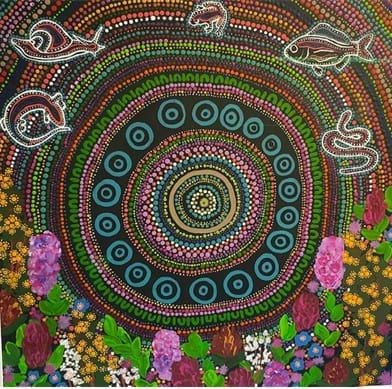
The wayipungitj’s role focuses on four key areas:
- participation
- practice
- community
- family.
These areas guide the work and have four aims:
- Koorie children have better access to kindergartens, and they take part more.
- Kindergarten services are more culturally inclusive and welcoming.
- Local Aboriginal communities get involved in developing and supporting culturally inclusive kindergarten programs.
- Stronger relationships with families. This supports Koorie children to take part in early childhood programs and services.
You can access guidelines to help you deliver this initiative.
Contact us
For more information about early childhood services for Koorie families (including kindergarten programs):
- contact your local council
- call the Koorie education coordinator at your regional office.
Early childhood education and care
Updated 27 March 2026
About the VIC Government
- The Premier and ministers
- Find a Vic Gov department, agency or service
- Strategies and policies
- Inquiries and royal commissions
Grants and programs
Jobs and careers
Arts, culture and heritage
Business and the workplace
- Mentally Healthy Workplaces Framework
- Portable Long Service Authority
- Victoria’s racing industry
- Workforce Inspectorate Victoria
- Liquor licensing, sale and supply
Communities
- Children
- First Peoples - State Relations
- Finding records
- Gender equality & women’s leadership
- LGBTIQA+ equality
- Multicultural communities
- Seniors Online
- Veterans support and commemoration
- Volunteering in Victoria
- Youth Central
Education and training
- Victorian Early Childhood Regulatory Authority
- Early childhood education – information for professionals
- Kinder: Best Start, Best Life
- Education – information for parents
- Schools.Vic - information for schools
- Education grants, programs, awards and events
- PROTECT
- TAFE, training and universities sector
- TAFE Victoria
- Victorian Skills Authority
- Apprenticeships Victoria
- Learn Local
Environment, water and energy
Finance and economy
Health and social support
- Family violence reform
- NDIS Worker Screening Check
- NDIS and disability services and support in Victoria
- Patient Review Panel
- Transforming Trauma Victoria
Housing and property
Law and justice
- Adoption
- Births, deaths and marriages
- Honorary justices
- Machete ban
- Safeguarding Victorians against terrorism
- Stolen Generations Reparations Package
- Victims of Crime
- Victorian Racing Tribunal
Safety and emergencies
- Emergency Recovery Victoria
- Victorian Emergency Relief and Recovery Foundation
- Emergency Recovery Resource Portal
- How well do you know fire
- Fire Services Reform
- Water safety
- Marine Search and Rescue
Science and technology
- Data sharing and open data
- Data.vic - discover and access Vic Gov open data
- Developer.Vic - portal for API developers
- Go.vic URL shortener
- Vic Gov IT project dashboard
- Victoria’s free public wi-fi network
- Cyber security in the Victorian Government
Sport and recreation
Traffic and transport
- Cameras Save Lives
- Transport Fines
- Getting Around
- Transport Planning
- Transport Future
- Climate Change and transport
- Future Directions For Transport
- Transport projects
- Ports and Freight
Working in the Victorian Government
- Single Digital Presence home
- Accommodation and Library Services
- Executive employment in the Victorian public sector
- Budget, procurement and funding
- Careers in the Victorian Government
- Council and Regulator Toolkit
- Guidelines for working in government
- Join a government network
- Standards and guidelines
- VicFleet CarPool
- Victorian Government style guide