Community worker
Find out more about working as a community worker and the possible pathways to job opportunities.
On this page
- What is a community worker?
- Related training courses
- Median salary
- Job demand in Victoria
- Career stories
- Resources to plan your next steps
- Explore growing industries in your region
Community workers are an important part of the community services industry. They provide support to people of all ages with a range of health, welfare and wellbeing issues.
Find out what a community worker does and the related Vocational Education and Training (VET) courses and pathways you can take to secure a job.
What is a community worker?
Community workers run community development programs and find solutions to community problems. Areas of work could include:
- recreation
- health
- housing
- employment
- welfare services.
You can work in community organisations or welfare agencies. You may also work with young people to help with social, emotional and financial problems.
Find out more about community workers(opens in a new window) and these related jobs on the Victorian Skills Gateway(opens in a new window):
- child or youth residential care assistant(opens in a new window)
- counsellor(opens in a new window)
- disabilities services officer(opens in a new window)
- disability services program manager(opens in a new window)
- diversional therapist(opens in a new window)
- family and marriage counsellor(opens in a new window)
- family support worker(opens in a new window)
- refuge worker(opens in a new window)
- residential care officer(opens in a new window)
- social worker(opens in a new window)
- welfare centre manager(opens in a new window)
- welfare worker(opens in a new window)
- youth worker(opens in a new window).
Related training courses
Explore these related TAFE and training courses on the Victorian Skills Gateway(opens in a new window):
- alcohol and other drugs(opens in a new window)
- chaplaincy and pastoral care(opens in a new window)
- child, youth and family intervention(opens in a new window)
- community services(opens in a new window)
- counselling(opens in a new window)
- disability support(opens in a new window)
- justice and corrections(opens in a new window)
- mental health(opens in a new window)
- welfare(opens in a new window)
- youth work.(opens in a new window)
You may be eligible for government funding to help pay for your course.
Median salary
The median weekly earnings for a welfare support worker in Australia is $1,688.
Source: Jobs and Skills Australia(opens in a new window)
Note this salary is current as of January 2025 and is indicative only. A range of salaries apply to different roles across the industry. Specific data is not available for community workers.
Job demand in Victoria
Below are the employment projections for welfare support worker jobs in Victoria. Figures show the number of workers in 2024 and the new workers expected to enter the workforce by 2027 and 2034.
‘New workers expected’ accounts for workers adding new jobs to the economy and replacing retirees over the next 3 and 10 years. These projections are estimates only. There will be additional jobs available as people move between jobs and industries.
Specific data is not available for community workers.
| Region | Workers 2024 | New workers expected by 2027 | New workers expected by 2034 |
|---|---|---|---|
| Victoria | 20,968 | 1,175 | 5,783 |
| Melbourne – inner metropolitan | 2,406 | 161 | 666 |
| Melbourne – inner south-east metropolitan | 1,227 | 53 | 279 |
| Melbourne – southern metropolitan | 2,629 | 134 | 735 |
| Melbourne – northern metropolitan | 2,851 | 202 | 1,023 |
| Melbourne – eastern metropolitan | 2,381 | 100 | 575 |
| Melbourne – western metropolitan | 2,306 | 207 | 926 |
| Ballarat and surrounds (Central Highlands) | 804 | 41 | 191 |
| Bendigo, Echuca and surrounds (Loddon Campaspe) | 1,335 | 41 | 292 |
| Geelong, Colac and surrounds (Barwon) | 1,447 | 99 | 434 |
| Gippsland | 1,258 | 61 | 301 |
| Horsham and surrounds (Wimmera Southern Mallee) | 276 | <10 | 30 |
| Mildura, Swan Hill and surrounds (Mallee) | 498 | 16 | 52 |
| Shepparton, Seymour and surrounds (Goulburn) | 538 | 11 | 104 |
| Wangaratta, Wodonga and surrounds (Ovens Murray) | 567 | 21 | 114 |
| Warrnambool, Hamilton and surrounds (Great South Coast) | 445 | 19 | 61 |
Source: Victorian Skills Authority Employment Projections Dashboard
Career stories
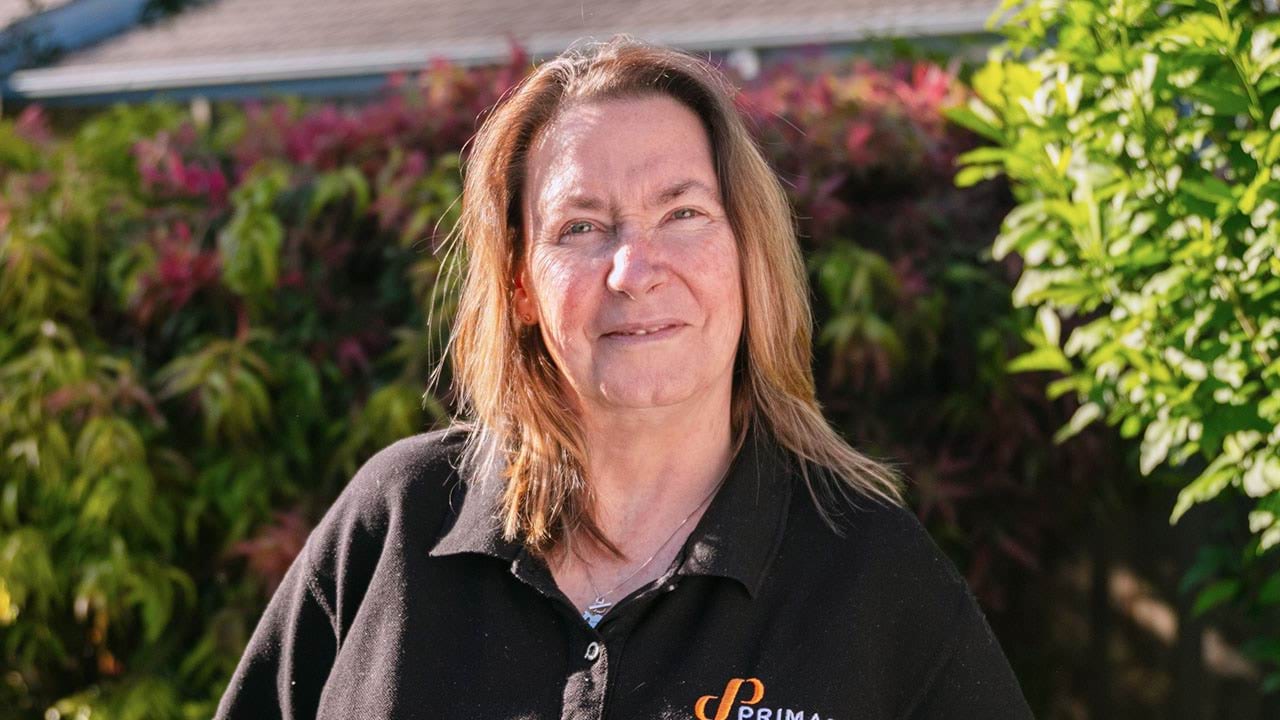
Never too late: Debbie finds her passion in mental health
“I help people with complex mental health needs who are working towards recovery. This looks different for each individual. Knowing you can be there to help them achieve their goals is so rewarding.”

From chef to caseworker: Raka’s recipe for success
“I work with people who have been in contact with the justice system. There are days where the life path of someone can be altered significantly. You can be there to enable a change for the better.”
Resources to plan your next steps
Visit our community services industry profile to find out about:
- what it’s like to work in community services, and some of the jobs you could do
- training and skills to work in the industry, and financial assistance to help pay for your course
- help getting a job in community services, and industry job projections for Victoria
- other free resources and advice to plan your training and career.
Explore growing industries in your region
Training and careers in your region
Explore training, skills and job opportunities in your area of Victoria. Find out where you could work, what kind of job you could do, and what training you’ll need.
Training and careers in growing industries
Learn about high demand industries in Victoria. Find out where you could work, what kind of jobs you could do, and what training you’ll need.
Updated 7 January 2025
About the VIC Government
- The Premier and ministers
- Find a Vic Gov department, agency or service
- Strategies and policies
- Inquiries and royal commissions
Grants and programs
Jobs and careers
Arts, culture and heritage
Business and the workplace
- Mentally Healthy Workplaces Framework
- Portable Long Service Authority
- Victoria’s racing industry
- Workforce Inspectorate Victoria
- Liquor licensing, sale and supply
Communities
- Children
- First Peoples - State Relations
- Finding records
- Gender equality & women’s leadership
- LGBTIQA+ equality
- Multicultural communities
- Seniors Online
- Veterans support and commemoration
- Volunteering in Victoria
- Youth Central
Education and training
- Victorian Early Childhood Regulatory Authority
- Early childhood education – information for professionals
- Kinder: Best Start, Best Life
- Education – information for parents
- Schools.Vic - information for schools
- Education grants, programs, awards and events
- PROTECT
- TAFE, training and universities sector
- TAFE Victoria
- Victorian Skills Authority
- Apprenticeships Victoria
- Learn Local
Environment, water and energy
Finance and economy
Health and social support
- Family violence reform
- NDIS Worker Screening Check
- NDIS and disability services and support in Victoria
- Patient Review Panel
- Transforming Trauma Victoria
Housing and property
Law and justice
- Adoption
- Births, deaths and marriages
- Honorary justices
- Machete ban
- Safeguarding Victorians against terrorism
- Stolen Generations Reparations Package
- Victims of Crime
- Victorian Racing Tribunal
Safety and emergencies
- Emergency Recovery Victoria
- Victorian Emergency Relief and Recovery Foundation
- Emergency Recovery Resource Portal
- How well do you know fire
- Fire Services Reform
- Water safety
- Marine Search and Rescue
Science and technology
- Data sharing and open data
- Data.vic - discover and access Vic Gov open data
- Developer.Vic - portal for API developers
- Go.vic URL shortener
- Vic Gov IT project dashboard
- Victoria’s free public wi-fi network
- Cyber security in the Victorian Government
Sport and recreation
Traffic and transport
- Cameras Save Lives
- Transport Fines
- Getting Around
- Transport Planning
- Transport Future
- Climate Change and transport
- Future Directions For Transport
- Transport projects
- Ports and Freight
Working in the Victorian Government
- Single Digital Presence home
- Accommodation and Library Services
- Executive employment in the Victorian public sector
- Budget, procurement and funding
- Careers in the Victorian Government
- Council and Regulator Toolkit
- Guidelines for working in government
- Join a government network
- Standards and guidelines
- VicFleet CarPool
- Victorian Government style guide