Appendix 7: Family Violence Risk Assessment and Management Survey
On this page
In the 2023–24 reporting period, we made several updates to the MARAM Annual Survey.
These included:
- changing the name from the MARAM Annual Survey to the Family Violence Risk Assessment and Management Survey
- expanding the survey to include frontline workers. Previous years’ surveys only included organisational leaders, executives or those with responsibility for setting policies, procedures or practice guidance within their organisation
- creating the survey in-house, saving outsourcing costs, and providing greater flexibility on survey design, editing and access to the data.
Across sectors
The survey received 1,040 responses. The response rate in 2023–24 was 188% higher than the previous year. This is mostly due to the inclusion of professional and frontline staff, and greater engagement from the human services, health, justice and government services sectors.
Demographics
Most respondents were employed in human services (42.4%) and health (41.7%). They come from large (65%) or medium (30%) organisations that provide regional, metropolitan and statewide services.
Across workforces
Respondents included:
- 804 (77%) professional or frontline staff who identify, assess or manage family violence risk in their day-to-day work
- 158 (15%) leaders or executives who set organisational policies, procedures, practice guidance and tools for assessing family violence risk
- 78 (7.5%) who are not leaders or executives, but whose role involves developing organisational policies, procedures, practice or program guidance and tools relevant to family violence risk.
Figure 9 outlines the responses received to the survey by sector. Across framework organisations, commitment to MARAM is strong.
Figure 9: Survey responses by sector
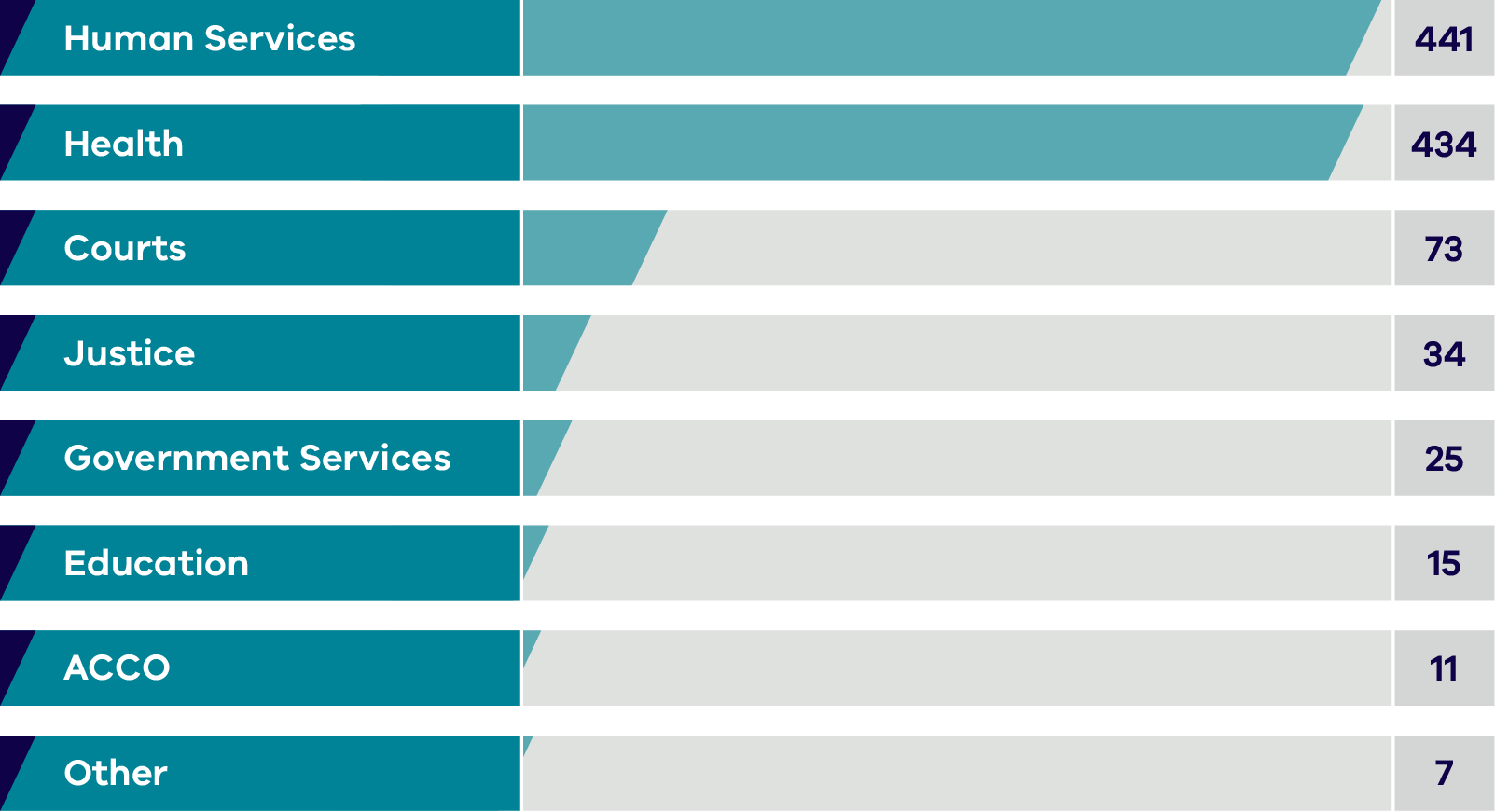
Figure 10 shows that 94% of organisational leaders rated alignment to MARAM as a high or medium priority.
Figure 10: Importance of organisational alignment to MARAM
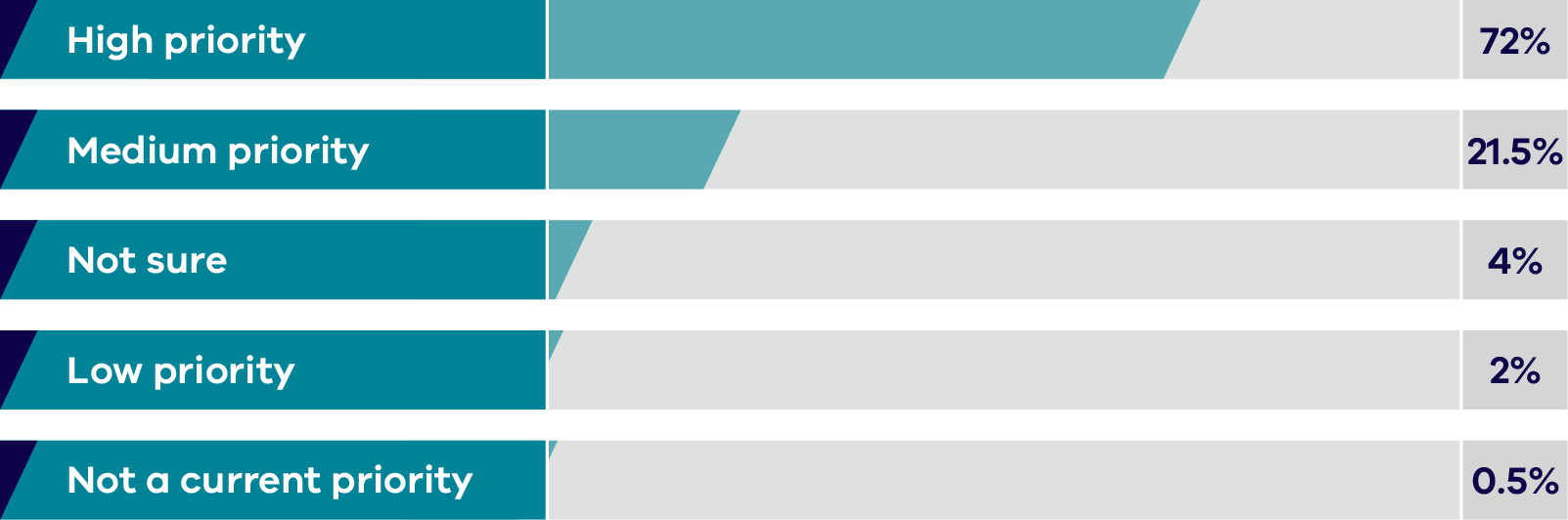
Figure 11 shows that more than three-quarters (77 per cent) felt their workforce is equipped with the tools, resources and training needed to meet their obligations under MARAM.
Figure 11: My organisation has the tools, resources, and training to meet MARAM obligations
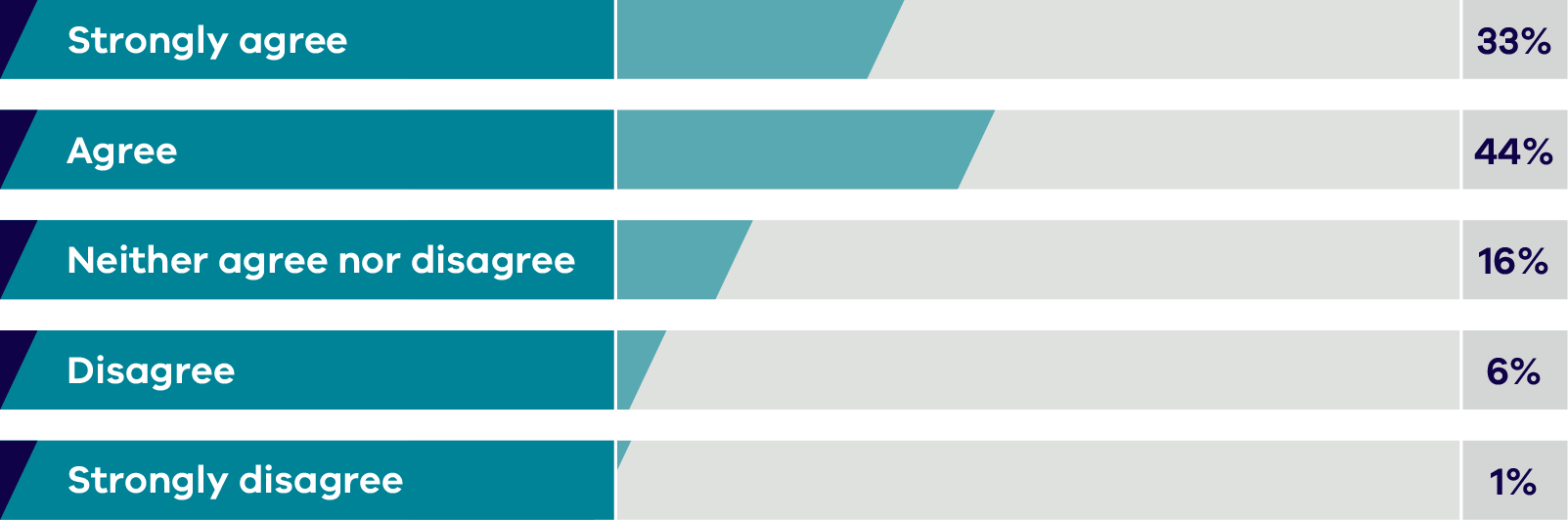
Figure 12 shows that 73% of organisational leaders agree their organisation applies consistent and collaborative practice using MARAM tools to identify, assess and manage family violence.
Figure 12: My organisation applies consistent and collaborative practice using MARAM tools
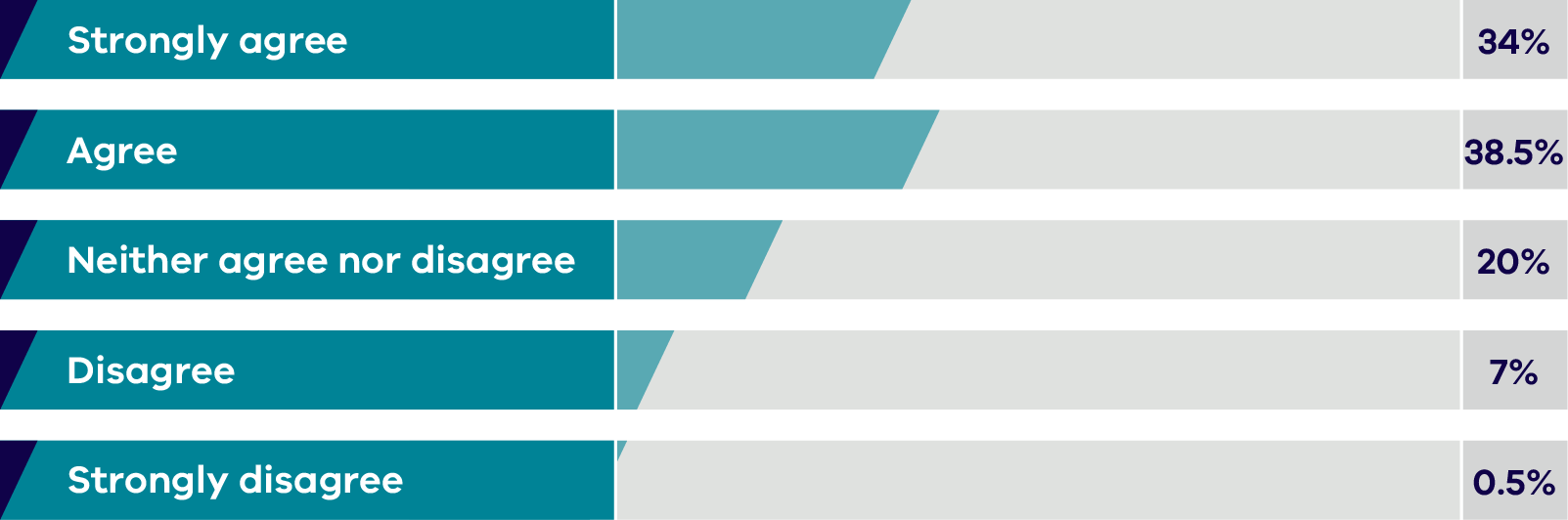
Figure 13 shows there is room for improvement. Only 57% of surveyed leaders said they had a detailed understanding of their responsibilities under MARAM. This was a decrease of 17% from 2023 results.
Figure 13: Understanding of MARAM alignment
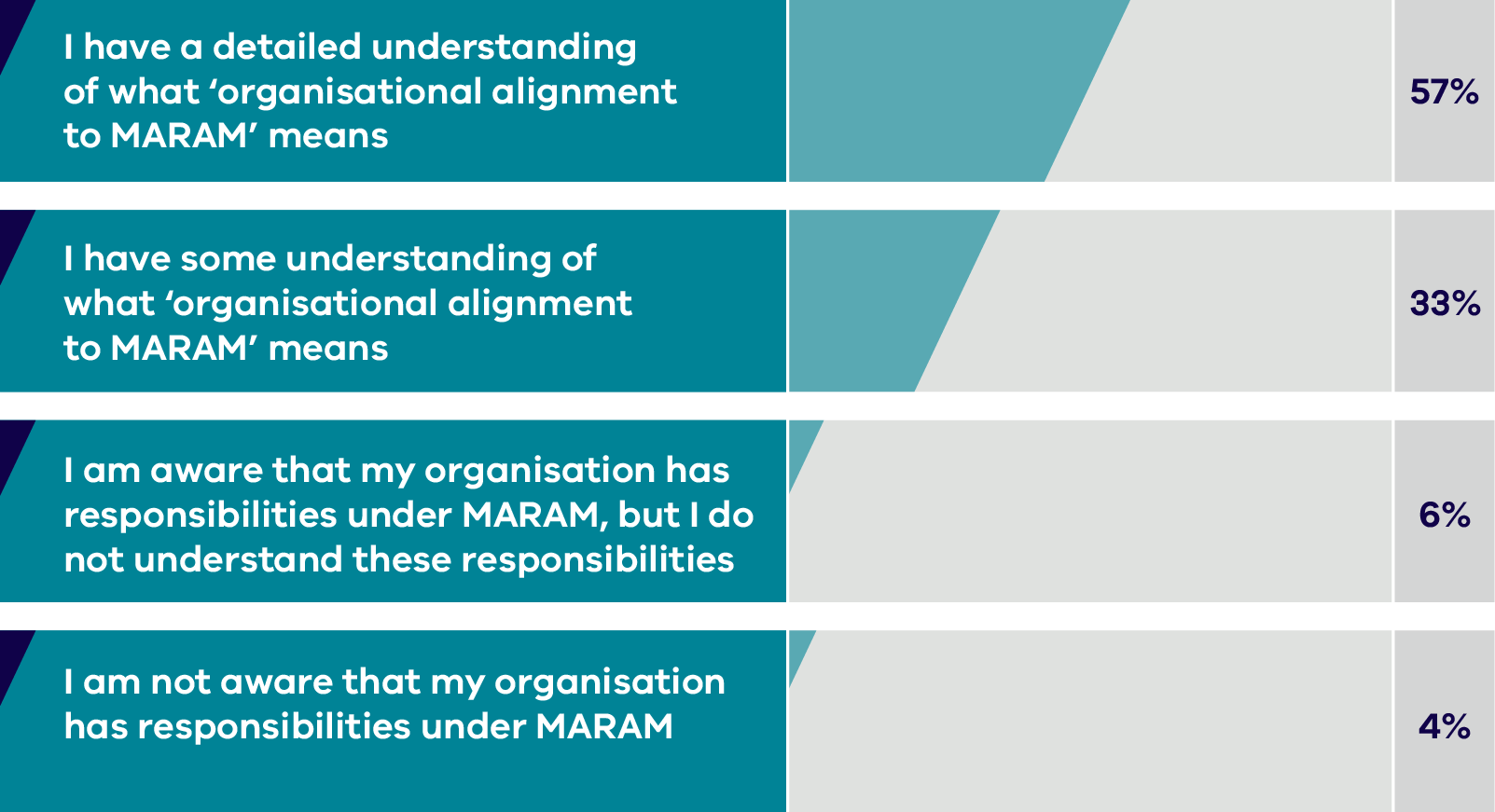
Figure 14 focuses on training completed by professional and frontline staff. It shows that 78% of professional and frontline staff had undertaken training on MARAM topics in 2023–24.
Of these respondents, 76% rated the trainings as highly useful or somewhat useful.
Figure 14: Training completed by professional and frontline staff
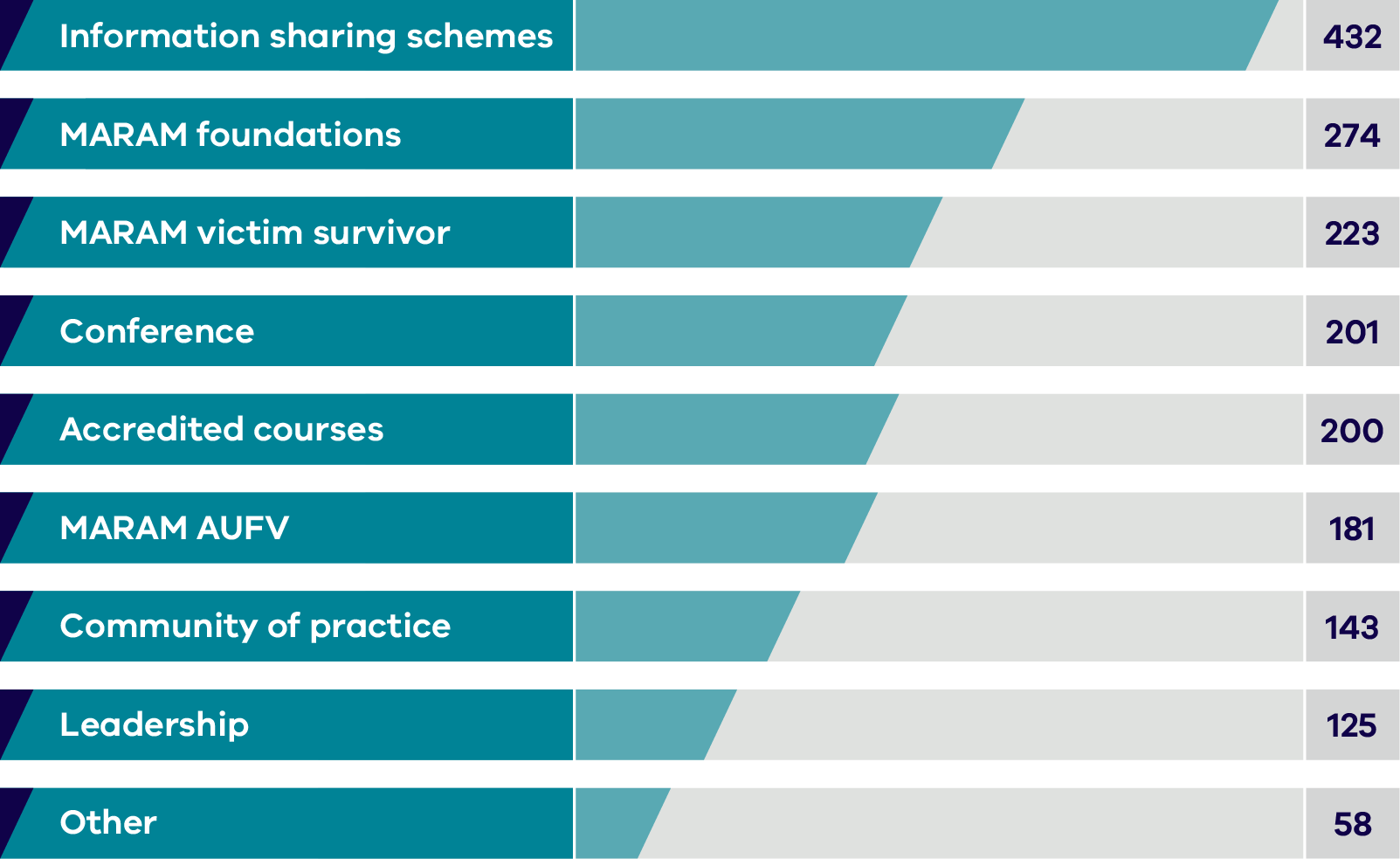
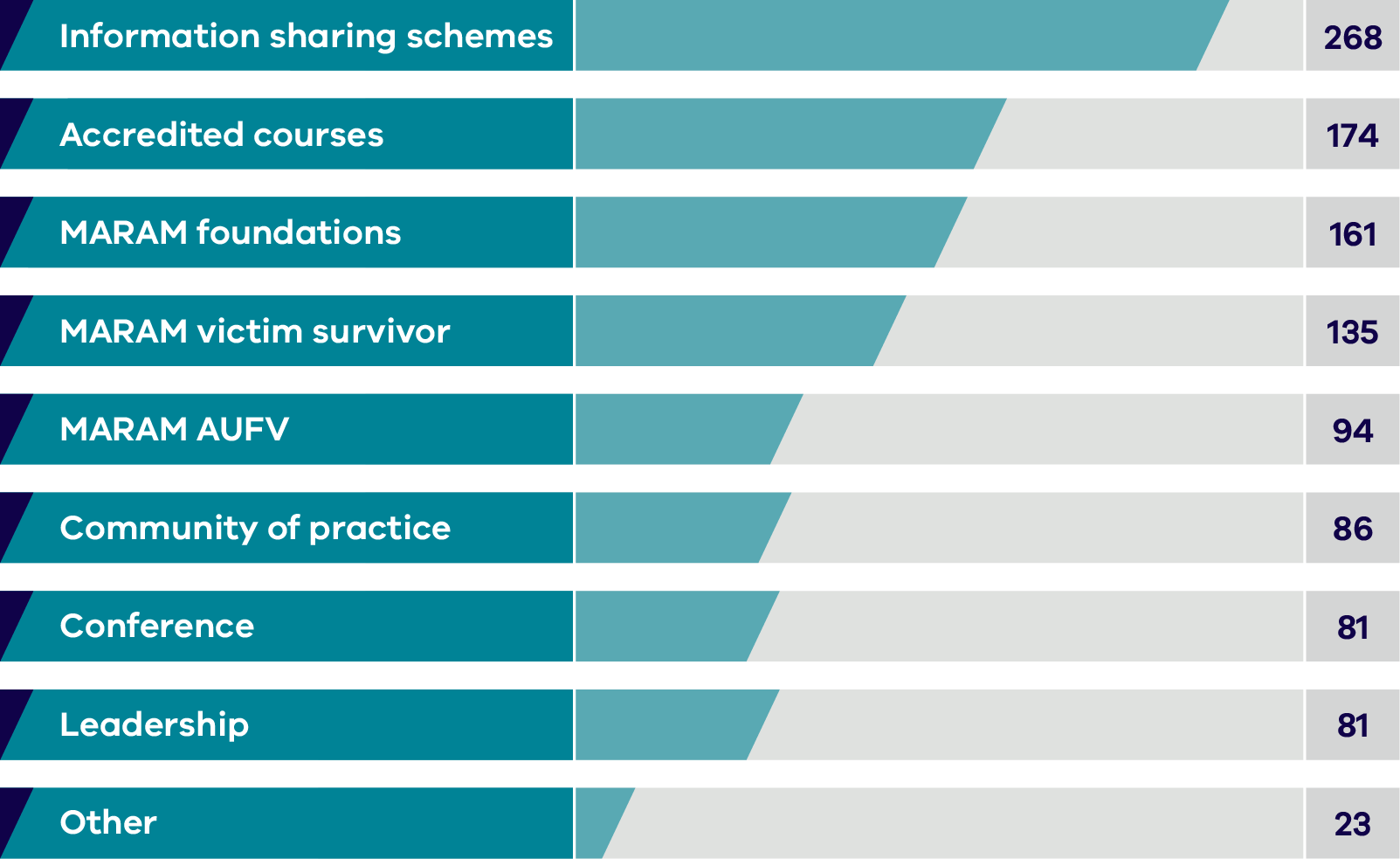
Figure 15 focuses on training completed by organisational leaders or executives. It shows that 95% of leaders or executives (or staff in their organisation) completed training in 2023–24.
Of these respondents, 83% rated the training as highly useful or somewhat useful.
Figure 15: Training completed by organisational leaders or executives
Updated 14 March 2025
MARAM Consolidated Annual Report 2023-24pdf3.9 MB
About the VIC Government
- The Premier and ministers
- Find a Vic Gov department, agency or service
- Strategies and policies
- Inquiries and royal commissions
Grants and programs
Jobs and careers
Arts, culture and heritage
Business and the workplace
- Mentally Healthy Workplaces Framework
- Portable Long Service Authority
- Victoria’s racing industry
- Workforce Inspectorate Victoria
- Liquor licensing, sale and supply
Communities
- Children
- First Peoples - State Relations
- Finding records
- Gender equality & women’s leadership
- LGBTIQA+ equality
- Multicultural communities
- Seniors Online
- Veterans support and commemoration
- Volunteering in Victoria
- Youth Central
Education and training
- Victorian Early Childhood Regulatory Authority
- Early childhood education – information for professionals
- Kinder: Best Start, Best Life
- Education – information for parents
- Schools.Vic - information for schools
- Education grants, programs, awards and events
- PROTECT
- TAFE, training and universities sector
- TAFE Victoria
- Victorian Skills Authority
- Apprenticeships Victoria
- Learn Local
Environment, water and energy
Finance and economy
Health and social support
- Family violence reform
- NDIS Worker Screening Check
- NDIS and disability services and support in Victoria
- Patient Review Panel
- Transforming Trauma Victoria
Housing and property
Law and justice
- Adoption
- Births, deaths and marriages
- Honorary justices
- Machete ban
- Safeguarding Victorians against terrorism
- Stolen Generations Reparations Package
- Victims of Crime
- Victorian Racing Tribunal
Safety and emergencies
- Emergency Recovery Victoria
- Victorian Emergency Relief and Recovery Foundation
- Emergency Recovery Resource Portal
- How well do you know fire
- Fire Services Reform
- Water safety
- Marine Search and Rescue
Science and technology
- Data sharing and open data
- Data.vic - discover and access Vic Gov open data
- Developer.Vic - portal for API developers
- Go.vic URL shortener
- Vic Gov IT project dashboard
- Victoria’s free public wi-fi network
- Cyber security in the Victorian Government
Sport and recreation
Traffic and transport
- Cameras Save Lives
- Transport Fines
- Getting Around
- Transport Planning
- Transport Future
- Climate Change and transport
- Future Directions For Transport
- Transport projects
- Ports and Freight
Working in the Victorian Government
- Single Digital Presence home
- Accommodation and Library Services
- Executive employment in the Victorian public sector
- Budget, procurement and funding
- Careers in the Victorian Government
- Council and Regulator Toolkit
- Guidelines for working in government
- Join a government network
- Standards and guidelines
- VicFleet CarPool
- Victorian Government style guide